
What is editorial photography? The complete guide to understanding its essence and purpose
Editorial photography is one of the most fascinating and expressive genres in the world of imagery. It combines art, storytelling, and visual communication to convey ideas, emotions, and contexts that complement and enrich a written story. Unlike other types of photography, such as commercial or advertising photography, its goal is not to sell a product but to tell a story.
If you are passionate about photography, journalism, or content creation, understanding this style will help you grasp how the images that bring magazine pages, reports, or auteur visual projects to life are created.

INDEX:
What does editorial photography mean?
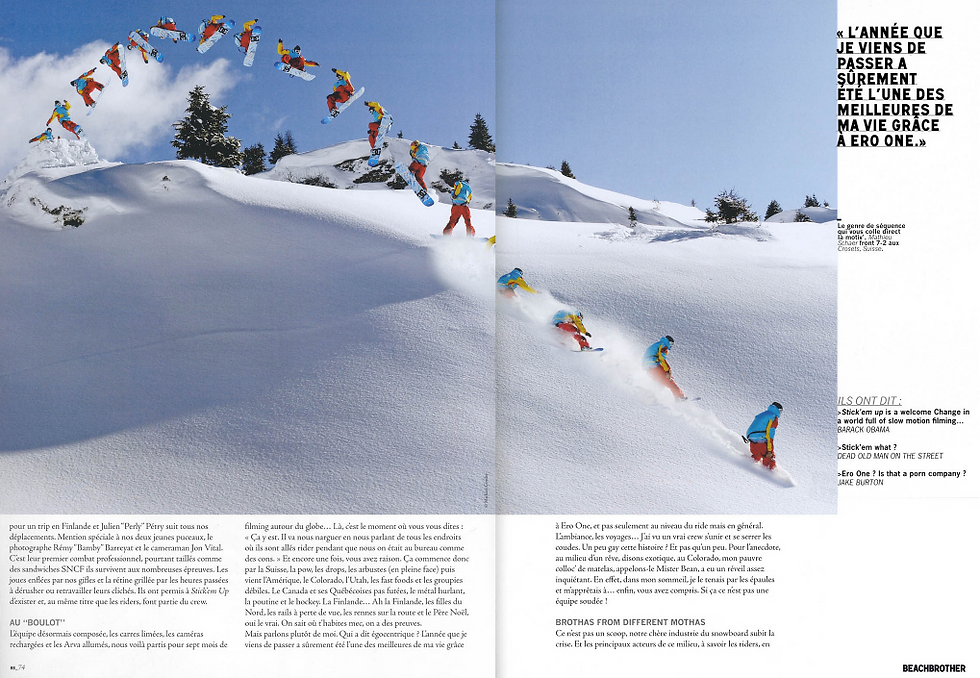
The term “editorial” comes from the field of media and publications. In photography, it refers to images created to accompany articles, reports, interviews, or visual essays in media such as magazines, newspapers, blogs, or digital platforms.
These photographs are not focused on promoting products or brands but on supporting a narrative: they can illustrate a journalistic story, a social issue, a cultural trend, or even an artistic vision.
For example:
In a fashion magazine, a photoshoot inspired by the 1980s accompanies an article about the return of vintage style.
In a journalistic report, intimate portraits of a rural community help convey their way of life.
In a cultural publication, a conceptual photo series explores contemporary female identity.
In all cases, the photography is not just a visual complement: it is an essential part of the overall narrative.

The essence of editorial photography: telling stories
Editorial photography is a form of visual storytelling. Each image is designed to communicate an idea, an atmosphere, or an emotion that is directly related to the accompanying text or concept.
This means that the editorial photographer does not just capture moments but interprets a story. Their work is based on:
Understanding the message that needs to be conveyed.
Translating that message into coherent, aesthetic, and meaningful images.
Collaborating with the editorial team (writers, designers, art directors) to maintain a unified vision.
For this reason, this type of photography moves between documentation and artistic creation: it can be realistic or conceptual, but it always has a communicative purpose.
Main characteristics of editorial photography
Visual narrative: Each image must make sense within the story.
Intentionality: Photos are not taken at random; everything responds to an idea or script.
Creative freedom: The photographer has room to experiment with light, color, framing, or composition.
Careful aesthetics: Although its goal is not to sell, editorial photography is usually visually striking.
Conceptual coherence: All the images in a series must share a common thread.
Context: The image acquires its full meaning when related to the text.

Types of editorial photography
Although this genre is very broad, we can distinguish several subtypes according to their purpose:
1. Fashion editorial photography
Found in magazines such as Vogue, Harper’s Bazaar, or Elle, these sessions tell a story through wardrobe, location, and pose. It’s not just about showing garments, but about creating a visual universe.
2. Editorial portrait
Used in interviews or profiles, it seeks to capture the subject’s personality in an artistic and meaningful way. Setting, lighting, and expression are carefully considered.
3. Documentary photography
Ideal for journalistic reports, it focuses on social, cultural, or environmental realities. Although it’s based on real life, its selection and style also tell a story.
4. Lifestyle photography
Conveys emotions and atmospheres — how people live, what they feel, and what they experience at a given moment.
5. Conceptual photography
Images that express abstract or artistic ideas, often used in auteur editorials or cultural projects.
Differences between editorial and commercial photography
Although both can share visual resources, their purpose is different:
Aspect | Editorial Photography | |
Objective | To communicate an idea or story | To sell a product or service |
Creative freedom | High, with an artistic focus | Limited by marketing strategy |
Audience | Readers interested in content | Consumers or clients |
Use | Magazines, reports, blogs, exhibitions | Catalogs, advertisements, brand social media |
Style | Narrative, conceptual, or documentary | Persuasive and targeted |
The role of the editorial photographer
Being an editorial photographer involves much more than mastering technique. This professional must be a visual storyteller capable of:
Interpreting an editorial brief or script.
Creating images that align with the text.
Collaborating with writers, art directors, and designers.
Adapting to the tone and identity of the publication.
Maintaining a personal visual voice.
In addition, editorial photography can be an excellent creative platform for building a portfolio and showcasing personal style — something highly valued in the industry.

Why is editorial photography important?
Reinforces the narrative: A good photo can convey in seconds what a text develops over paragraphs.
Adds emotion: It evokes feelings and empathy in the reader.
Creates visual identity: It helps media outlets stand out and communicate their style.
Grabs attention: In an information-saturated environment, a powerful image can be key to catching the eye.
Connects art and communication: It combines the aesthetic with the informative.

Editorial photography is the art of storytelling through images. It does not aim to sell, but to evoke emotions, communicate, and bring stories to life. It is a bridge between journalism, art, and visual creativity, and its value lies in its ability to make the invisible visible: ideas, feelings, and messages that words alone cannot always convey.
If you are a photographer, journalist, or content creator, exploring this genre can open doors to more creative, expressive, and meaningful projects. In a world saturated with images, the ones that tell stories are the ones that leave a mark.
What is editorial photography for?
It serves to reinforce the narrative of a text, provide visual context, and evoke emotion in the reader. It is a key tool in magazines, blogs, and journalistic publications.
How does it differ from commercial photography?
Editorial photography communicates an idea, while commercial photography aims to sell a product or service. The former allows more creative freedom; the latter follows marketing objectives.
What characterizes a good editorial photograph?
A good editorial photograph has narrative intent, coherence with the text, visual impact, and creative freedom. It is not just aesthetic, but also meaningful.
Where is editorial photography published?
In magazines, newspapers, specialized blogs, digital media, and even in personal or artistic projects.


Comments