
Fashion photography in the 2000s
A look at the aesthetics, trends, and techniques that defined the visual fashion of an iconic decade
Fashion photography in the 2000s was not subtle, discreet, or timid. It was a visual explosion defined by excess, provocation, and a new relationship between fashion, pop culture, and technology. This decade transformed the way fashion imagery was produced, consumed, and understood, laying the foundation for many visual trends that are now making a strong comeback.

At Fotoprostudio, we take an in-depth look at the aesthetics, trends, and techniques that defined fashion photography in the 2000s, accompanied by real examples that shaped an entire generation.
TABLE OF CONTENTS:
1.The Y2K aesthetic: provocation, shine, and pop culture
The turn of the millennium brought a fascination with the future, technology, and identity, and this vision was directly reflected in fashion and photography. The Y2K (Year 2000) aesthetic translated into bold, sensual, attitude-driven images that broke away from the minimalist sobriety of the 1990s. During this period, fashion became more striking and experimental: bright and metallic colors, satin materials, bold prints, and exaggerated accessories stood out. The aesthetic was not just about showcasing clothing, but about conveying an attitude and a lifestyle—youthful, fun, and confident—shaped by pop culture, music, and cinema.

Real examples:
David LaChapelle was one of the photographers who best represented this aesthetic. His shoots for Vogue, Rolling Stone, and campaigns for Diesel or MTV combined striking colors, surreal settings, and an almost cinematic narrative. His images blended humor, theatricality, and provocation, creating photos that felt more like movie scenes than traditional fashion editorials.
2.The rise of celebrity aesthetics and paparazzi style
One of the major visual shifts of the 2000s was the direct influence of celebrity culture. Gossip magazines, tabloids, and paparazzi began to define the collective imagination, and fashion photography quickly absorbed it. What was once exclusive to the studio started to draw inspiration from the spontaneity, chaos, and everyday life of celebrities, creating a style that felt fresh, urban, and full of energy.
The result was an intentionally unpolished, spontaneous, and urban aesthetic, breaking away from the traditional concept of studio shoots.

Real examples:
Terry Richardson, with his raw and provocative portraits, popularized the use of direct flash, white backgrounds, and deliberately awkward poses. His work for Vogue, Purple Magazine, and campaigns for Tom Ford are clear references of this aesthetic, where spontaneity was combined with deliberate provocation.
3.Fashion, music, and street: a constant influence
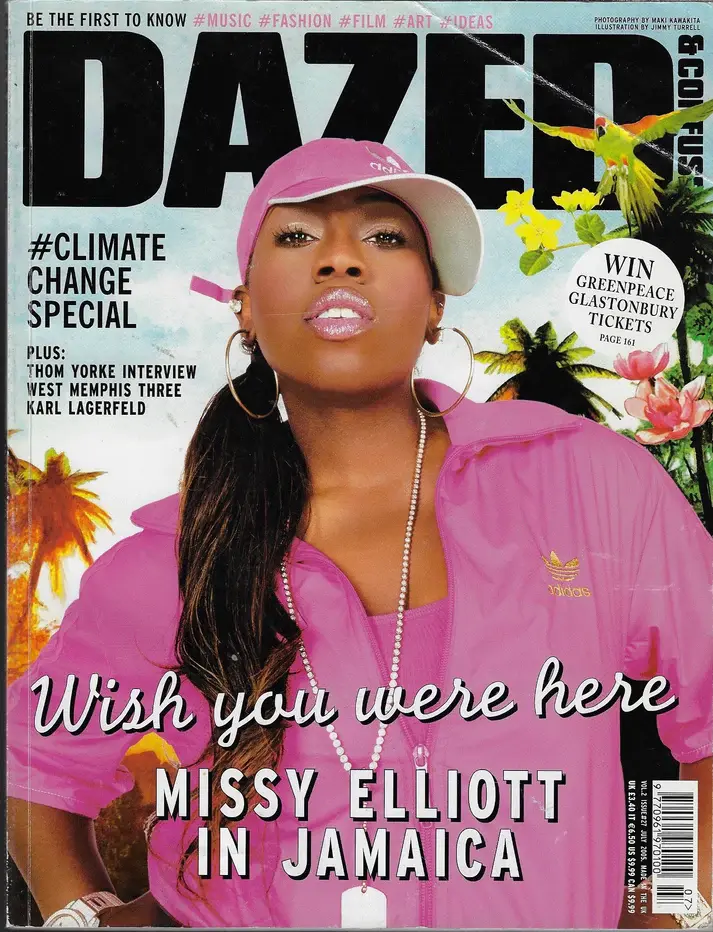
Fashion photography in the 2000s cannot be understood without music and urban culture. Hip-hop, pop, and R&B not only set musical trends, but also deeply influenced the styling, attitude, and visual narrative of fashion. Urban aesthetics brought attitude, authenticity, and a street-driven visual language, blending clothing, music, and lifestyle into images that spoke directly to the youth of the time.
As a result, fashion shoots began to move away from traditional studios and into streets, nightclubs, graffiti settings, and urban environments, capturing the dynamism and energy of real life.
Real examples:
Editorials in magazines such as Vibe or The Source featured hip-hop and R&B artists in urban environments, merging fashion and music to create authentic visual storytelling. For example, shoots with Missy Elliott or Jay-Z incorporated graffiti, cars, and nightlife settings as part of the narrative.
4.Visual narratives: storytelling through fashion
In the 2000s, many fashion editorials began to tell complete stories rather than simply showcasing clothing. Shoots were no longer just a sequence of looks; they became small visual narratives, with characters, settings, emotions, and atmospheres that invited the viewer to immerse themselves in a broader story.
This trend brought fashion closer to cinema, literature, and pop culture, creating editorials capable of conveying a message, a feeling, or even a social commentary.

Real examples:
Editorials in Vogue Italia, led by Franca Sozzani and photographed by Steven Meisel, are among the most iconic examples. These shoots explored themes ranging from fantasy and provocation to social and cultural issues, combining extreme styling, dramatic makeup, and conceptual settings that told a story in every image.
5.Photographic techniques: the transition from analog to digital
The 2000s were a decade of technical transition. Fashion photography coexisted between film and the first professional digital cameras, and this technological shift directly influenced the visual outcome.
Most commonly used techniques:
Direct flash, even in daylight, creating hard shadows and strong contrasts.
Saturated colors and glossy skin, enhanced both in-camera and in post-production.
Early visible digital retouching: overly smooth skin, altered backgrounds, and artificial effects.

Real examples:
Gucci campaigns under the creative direction of Tom Ford marked a turning point in 2000s fashion photography. Their images were characterized by intense lighting, strong contrasts, and provocative compositions, enhancing explicit sensuality and extreme glamour. Each campaign conveyed luxury, desire, and a bold aesthetic that broke away from the traditional sobriety of 1990s fashion.
6.Models, bodies, and identity in the 2000s
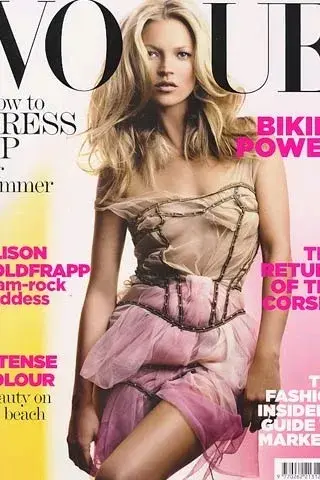
Although diversity was still limited compared to today’s standards, the 2000s marked the beginning of greater visibility of identities closer to mainstream culture. Fashion started to showcase more varied and relatable personalities, highlighting not only classic beauty but also attitude, charisma, and presence in models who became global icons.
This shift allowed fashion photography to explore new narratives of style and self-expression, rather than simply displaying garments.
Real examples:
The rise of model-celebrities such as Kate Moss, Naomi Campbell, or Gisele Bündchen was emblematic of the era. These models not only walked runways and starred in campaigns, but also appeared on magazine covers, collaborated in conceptual editorials, and became part of pop culture, creating a direct connection between fashion, fame, and lifestyle.
7.The legacy of 2000s fashion photography
Today, the influence of the 2000s is more visible than ever. The Y2K revival dominates editorials, campaigns, and social media. Contemporary photographers reinterpret direct flash, raw framing, and pop aesthetics using modern tools.
Brands such as Blumarine, Diesel, or Balenciaga have brought back this visual language to connect with new generations.
At Fotoprostudio, we believe that understanding 2000s fashion photography is key to creating current images with identity, strength, and personality. Looking at the past is not nostalgia—it is inspiration.
If you want to learn more about fashion photography from other decades, you can also read:


Comments